
Skins and cosmetic items: why we spend money on something that doesn't change gameplay
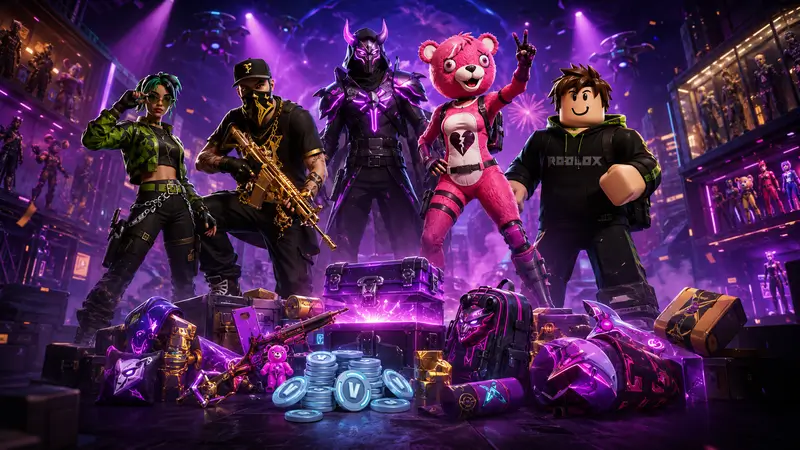
Skins don't make you shoot faster, run faster, or build faster — and yet, the market for cosmetic items in games moves billions of dollars a year. Why does this work?
Identity, not advantage
The most widely accepted explanation is that skins sell identity, not power. In competitive games, giving a real advantage to those who pay (known as "pay to win") drives players away — nobody wants to compete against someone who literally bought the win. Cosmetics solve this: they monetize the game without breaking the competitive balance, because everyone keeps playing under the same conditions.
Scarcity and exclusivity
- "Limited-time" items create urgency — the feeling that if you don't buy now, you'll never be able to again
- Rare skins become a status symbol within the game's community, especially when they come from old events that never return
- Collaborations with famous franchises (movies, music, other games) attract fans of the franchise, not just of the game itself
The social effect
Playing alongside friends with a look different from the default also has a social component — skins become part of how you express yourself in the game, similar to clothing in real life. Social groups heavily influence purchase decisions in games: if your friends have a skin, the chance you'll want it too goes up.
In the end, a cosmetic item sells an emotional experience — pride, belonging, nostalgia — not a mechanical advantage. That's why the model keeps growing even without changing a single line of gameplay.